Skip to content
International Adviser
  • Contact
  • Subscribe
  • Regions
    • United Kingdom
    • Middle East
    • Europe
    • Asia
    • Africa
    • North America
    • Latin America
  • Industry
    • Tax & Regulation
    • Products
    • Life
    • Health & Protection
    • People Moves
    • Companies
    • Offshore Bonds
    • Retirement
    • Technology
    • Platforms
  • Investment
    • Equities
    • Fixed Income
    • Alternatives
    • Multi Asset
    • Property
    • Macro Views
    • Structured Products
    • Emerging Markets
    • Commodities
  • IA 100
  • Best Practice
    • Best Practice News
    • Best Practice Awards
  • Media
    • Video
    • Podcast
  • Directory
  • My IA
    • Events
    • IA Tax Panel
    • IA Intermediary Panel
    • About IA

ANNOUNCEMENT: Read more financial articles on our partner site, click here to read more.

Suspected UK tax evasion arrests drop to five-year low

By Kirsten Hastings, 2 Dec 19

HMRC may have become more wary following accusations it has been ‘trigger happy’

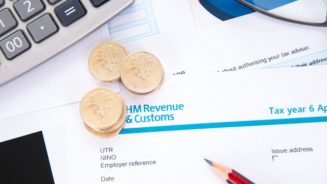
There were 782 taxpayer arrests made by HM Revenue & Customs during the 12 months ending 31 March 2019, down 11% from the previous year.

This downward trend has been ongoing for five years, according to law firm RPC.

Adam Craggs, a partner at the firm, said: “There has been some criticism of HMRC for being too ‘trigger happy’ in the past.

“Fewer arrests could be a sign that HMRC is now exercising its powers of arrest more responsibly and in accordance with the law.”

The UK taxman was given the power of arrest following the merger of the Inland Revenue and HM Customs and Excise in 2005.

Prior to that, only customs officers could arrest someone.

Craggs continued: “If HMRC has taken that criticism on board, and is now being more thorough before deciding to make an arrest, than that is to be welcomed.”

What are the rules?

HMRC cannot arrest a person simply because it has the power to do so, RPC added.

Typically, a taxpayer who is under investigation for tax evasion will agree to attend a voluntary interview under caution.

In such circumstances and where the taxpayer is cooperating, HMRC should not ordinarily exercise their power of arrest.

Craggs added: “It is to be hoped that the fall in HMRC arrests is as a consequence of HMRC having a better understanding of their power of arrest and when it is appropriate to exercise that power.

“Getting it wrong can be costly for HMRC.”

Tags: HMRC | Tax Evasion

Share this article
Follow by Email
Facebook
fb-share-icon
X (Twitter)
Post on X
LinkedIn
Share

Related Stories

  • Asia

    Macquarie Securities to pay AU$35m fine for ‘systemic failures’

    fund

    Industry

    AJ Bell expands Gilt MPS range with new portfolio launch

  • Best Practice

    CII Middle East director: Education and qualifications a priority for boosting talent in 2026

    Ben Lester

    Industry

    Morningstar Wealth: Smaller advice firms are feeling the pressure of a demanding new year


NEWSLETTER

Sign Up for International
Adviser Daily Newsletter

subscribe

  • View site map
  • Privacy Policy
  • Terms and Conditions
  • Contact

Published by Money Map Media – part of G&M Media Ltd Copyright (c) 2024.

International Adviser covers the global intermediary market that uses cross-border insurance, investments, banking and pension products on behalf of their high-net-worth clients. No news, articles or content may be reproduced in part or in full without express permission of International Adviser.