The debates, earlier this week, dealt with a currently-hot topic in the UK – how and why it is that large, highly-profitable global companies such as Starbucks, Amazon and Google UK are able to avoid paying all but a token amount of corporate tax, through the use of legal tax avoidance measures that typically involve other jurisdictions.
The issue has been in the spotlight of Britain’s national media ever since Reuters last month reported that Starbucks had paid just £8.6m in corporation tax in the UK over a 14-year period, and sometimes reported losses when it actually was in profit.
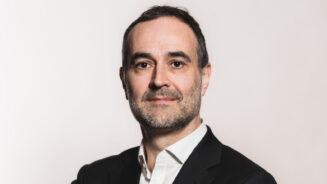
White’s first appearances, on Monday, coincided with a UK Parliamentary hearing by the Public Accounts Committee on the matter. He appeared on the BBC’s News Channel, BBC Radio 4’s Today show, and the BBC World Service’s Business Day programme, as well as Jeff Randall Live on Sky News.
On Tuesday, he appeared on BBC2’s Daily Politics show with Andrew Neil.
As a general rule, executives for large, international companies tend to be wary of attempting to present the multinationals’ case for making use of legal tax breaks, because the arguments against using them are easier for most people to understand and relate to.
A globally active company with offices in some 60 countries, the deVere Group is a privately-held financial advisory firm. Explaining why he was willing to put himself in the hot seat, White noted that the argument had become “completely unbalanced”, as the people criticising the corporation tax system “were the very people who hold the power to change the rules”.
"There might be a case that the rules on the issue need to be changed, and that an international consensus sought, but until that time the witch-hunt of these job-creating firms is unfair and smacks of political opportunism," he added.
“I, and the deVere Group, thought it was important to put into the public domain that multinationals are acting within the letter of the law.”
Legal basis for avoidance
In the debates, White took, and stuck to, the position that large companies like Starbucks were acting, as he told BBC World Service interviewer Justin Rowlatt, “within the current rules and laws…set up by the government in the UK”.
“This [making use of legal tax avoidance measures] is not something that’s illegal. I don’t think that’s been sort of broadcast enough, really,” White told Rowlatt.
“If people aren’t happy, particularly MPs that have criticised [the rules that make tax avoidance possible], well, they’ve got the power to change them.”
In response, John Christensen, director of the Tax Justice Network campaign group, said one of the problems was the fact that the guidelines for corporation tax set forth by the Organisation for Economic Cooperation and Development “are not fit for purpose”, and “need to be completely overhauled, and replaced by a completely different method for taxing multinationals”.
The current system, he noted, is particularly unfair to people who run small businesses, who “find themselves competing on an unlevel playing field against big businesses using tax havens, using ever single means of avoiding and evading tax.
"Very often the border line is not entirely clear, and that leads first of all to economic inefficiency at a global level, and a loss of consumer choice”.
OECD ‘not far enough’
Christensen went on to say that he did not believe a just-launched OECD consultation on the matter was by itself “not enough”, adding:
“I’m glad to say the Tax Justice Network, which I direct, has been one of forces that has pushed the OECD to have this consultation in the first place; because they have been very very slow in getting around to taking this on. This issue has been going on for many many decades.
"But they’re not going far enough, because what they don’t want to do is to shift to the only rational way of taxing multinational companies, which is to treat them as a single entity, and tax them on the basis that they are looked at as a single entity, creating profit, and the profit is apportioned only to those countries where they actually have economic substance behind what they’re doing.”